All Tech News
All News

Chinese companies are buying Nvidia graphics processing units (GPUs) for gaming and workstations in large quantities. With U.S. export controls restricting access to advanced artificial intelligence (AI) chips, they are using some GPUs permitted for export for AI computations to make up for shortages of computing resources. Market observers attribute the trend to limits on China's domestic AI chip supply. They say local AI chipmakers, including Huawei, cannot expand production fast enough to meet surging demand, sustaining dependence on overseas computing resources.
Read More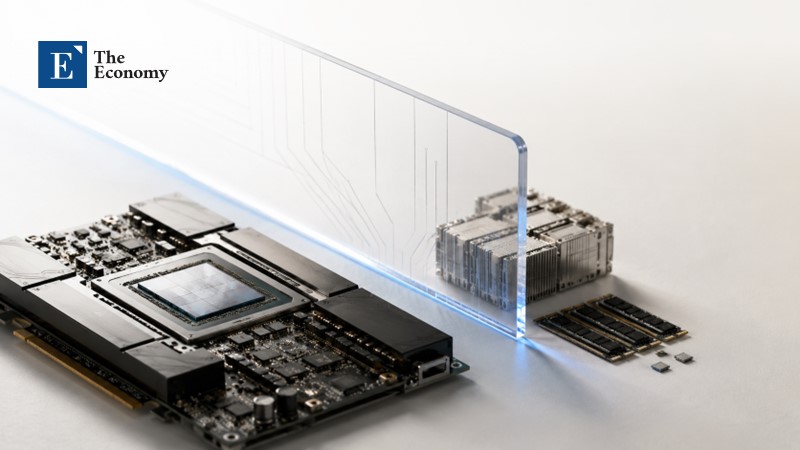
Japan is supporting the construction of semiconductor plants in the United States, helping its materials, components and equipment industries enter the U.S. market. Under an arrangement in which Japan provides financing and a U.S. company operates the plants, Japanese companies are expected to supply equipment and cooperate in semiconductor production. The initiative appears designed to turn the expansion of U.S. semiconductor production into earnings for Japanese companies by leveraging their accumulated expertise in materials and equipment. Japan’s materials, components and equipment industries are also expanding capacity for their core products while investing in advanced materials and sensors for AI and electric vehicles, broadening their product offerings for overseas customers.
Read More
China’s largest electric vehicle manufacturer, BYD, has announced plans to sharply increase local employment in Europe. As it accelerates the expansion of its production facilities and operations in Europe, the company has outlined a medium- to long-term employment plan to meet rapidly growing demand for local workers. However, market observers say that, given previous controversies over labor rights violations during factory construction in countries including Brazil and Hungary, compliance with local labor standards and regulations could remain a factor affecting its European expansion.
Read More
China’s Geely Automobile Holdings has formally announced plans to begin commercial sales in Canada. With barriers to entry lowered after the Canadian government removed steep tariffs on Chinese-made electric vehicles and introduced a limited import quota, Chinese companies are accelerating efforts to secure local sales networks, infrastructure and production bases. Market observers are watching whether Chinese-made EVs, which have already rapidly expanded their sales presence in Europe, Latin America and Southeast Asia, can also extend their influence in Canada.
Read More
Greece is accelerating cooperation with South Korea to rebuild its shipbuilding industry. Its plan is to incorporate Hanwha Ocean’s technology and shipbuilding experience into domestic shipyards to win more naval vessel orders and revive manufacturing and employment. As European countries bolster their defense capabilities, rising demand for naval vessels is giving Greek shipyards an opportunity to secure long-term work. U.S. funding for shipyard modernization, aimed at countering China’s influence over ports in the eastern Mediterranean, is also helping restore production capacity.
Read More
Aging workers and immigration crackdowns shrink the U.S.
 Read More

Chinese electric vehicle makers are accelerating their push into global markets, leveraging their overwhelming cost competitiveness. They have secured a cost advantage through low labor costs and vertical integration spanning critical mineral refining, battery materials and cells, and vehicle assembly. Chinese companies are also seeking further savings by extending their supply chains to overseas locations with relatively low production costs, such as Mexico and Morocco. Mexico, meanwhile, is stepping up its response by strengthening industrial protection policies, including higher tariffs and increased use of domestically produced components.
Read More
Japan’s Ministry of Economy, Trade and Industry will make an additional public equity investment in Rapidus, a state-backed foundry company. With the country’s once globally dominant semiconductor industry having lost its competitive edge, Japan is accelerating efforts to rebuild its advanced chip production base through massive fiscal support and private fundraising. Rapidus is expected to use the government investment to strengthen its equity base and secure loans from financial institutions, accelerating its push toward mass production using a 2-nanometer (nm, one billionth of a meter) process.
Read More
Prolonged Middle East war sends crude procurement costs soaring
Transport and fuel costs eat into refiners’, airlines’ and shipping companies’ profits
Logistics firms’ del
 Read More

Nvidia is committing substantial funding to Europe’s technology ecosystem. With the European Union (EU) recently delaying the application of regulations on high-risk artificial intelligence (AI) and easing some administrative burdens, rapidly rising investment in AI startups is gradually improving growth conditions for European technology companies. Alongside the push to increase defense spending across Europe, investment demand is also spreading to industries where AI technologies are being commercialized quickly, including defense and robotics.
Read More
Anxiety over recovering investments is growing in the financial markets that funded the race to expand artificial intelligence (AI) data centers. Despite large orders, mounting capital expenditure and interest burdens have led investors to question companies’ ability to repay their debts. With initial public offerings (IPOs) delayed and related bond prices falling, banks that have been unable to sell construction loans to other investors also face pressure over providing additional funding. Across an industry that still needs massive investment, concerns are spreading that some companies may be unable to withstand rising financing costs.
Read More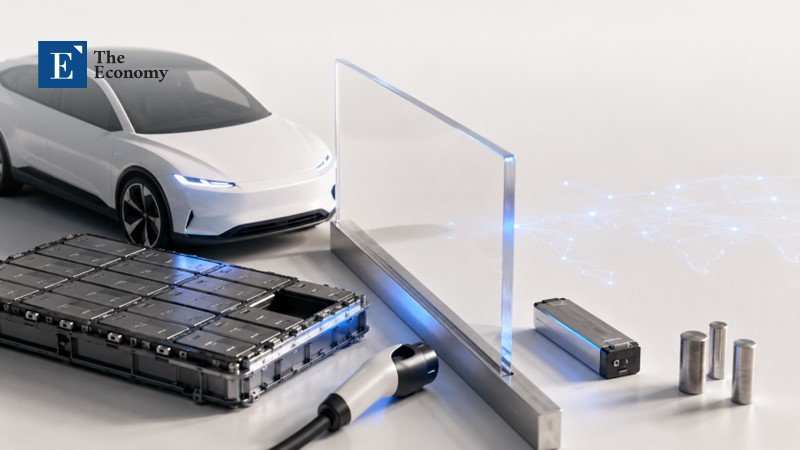
Tesla has sharply lowered its long-term vehicle sales target and begun reviewing a merger with SpaceX. The plan aims to pool the funding and technology needed to develop artificial intelligence (AI) and robots as profitability in its electric vehicle business deteriorates. If the merger goes through, leading scenarios include using SpaceX’s AI and communications infrastructure to advance autonomous driving and restructuring investment around robotics. Both strengthening EV competitiveness and reducing the share of investment devoted to automobiles remain possibilities.
Read More
The discovery of critical security vulnerabilities in PHP (Hypertext Preprocessor), a programming language used by seven out of 10 websites worldwide, has put global internet security on high alert. The flaws allow outside attackers to execute malicious code on servers without authentication. Attempts to exploit them were detected even before disclosure, followed by signs of attack preparations by hackers suspected of links to North Korea. With some organizations suspending services to prevent attacks, the security threat has translated into business disruption and recovery burdens. The security industry expects major vulnerabilities like those in PHP to continue emerging for some time as artificial intelligence (AI) tools uncover hidden flaws in existing software.
Read More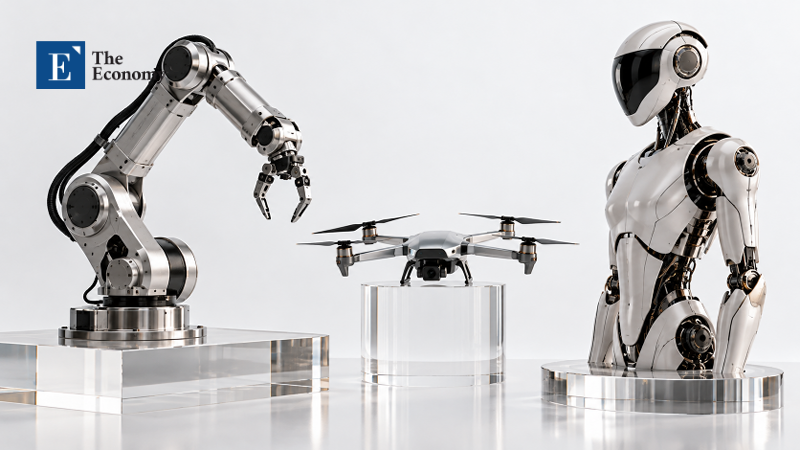
China’s agricultural robot market is growing rapidly. As shrinking and aging rural populations make it harder to secure workers during peak farming seasons, efforts to automate repetitive tasks using drones and robots are spreading. This trend extends beyond China to countries such as Japan. With labor shortages becoming particularly acute in manufacturing and construction, investment in robots and physical artificial intelligence (AI) to address the shortfall is surging.
Read More